







The Rise of AI Crypto Tokens Could Signal the Next Market Trend

The crypto market is constantly evolving, driven by cycles of innovation, capital rotation, and emerging narratives. As investors search for the next major opportunity, artificial intelligence has quickly become one of the most compelling themes. The rise of AI crypto tokens is not just another short-term trend. It could represent the early stages of a much larger shift in how blockchain technology is developed and utilized. AI is already transforming industries across the global economy, from finance and healthcare to automation and data analysis. Its integration into crypto introduces a new layer of functionality that goes beyond simple transactions and decentralized applications. This combination is attracting attention from both retail and institutional investors, making AI tokens one of the fastest-growing sectors in the market. The question now is whether this momentum can evolve into a sustained market trend or if it will remain a temporary narrative. Why AI Tokens Are Gaining Momentum AI crypto tokens are gaining traction because they sit at the intersection of two powerful technological movements. Artificial intelligence offers: • Automation and efficiency • Data-driven decision making • Predictive capabilities Blockchain offers: • Decentralization • Transparency • Secure data management Together, they create systems that are not only decentralized but also intelligent. This combination is appealing to investors because it aligns with broader technological trends. AI is not just a crypto narrative. It is a global shift that is attracting billions in investment. When that level of attention overlaps with crypto, it naturally creates momentum. The Role of Narratives in Crypto Cycles Crypto markets are heavily influenced by narratives. These narratives guide capital flows and shape investor behavior. In previous cycles, major narratives included: • Decentralized finance • NFTs and digital ownership • Layer 1 blockchain competition Each of these sectors experienced rapid growth as capital concentrated around them. AI is now emerging as the next potential narrative. What makes it different is that it is supported by real-world technological development outside of crypto. This gives it a stronger foundation compared to purely speculative trends. However, narratives alone are not enough. They must be supported by continued innovation and adoption. What Defines an AI Crypto Token AI crypto tokens are not a single category. They represent a range of different use cases within the intersection of AI and blockchain. These include: • Decentralized computing networks for AI workloads • Data marketplaces for machine learning • AI-powered trading and analytics platforms • Automation tools within decentralized applications Some projects focus heavily on infrastructure, while others focus on applications. This diversity is important because it shows that AI is not limited to one part of the ecosystem. It has the potential to influence multiple sectors within crypto. Why Investors Are Paying Attention There are several reasons why investors are increasingly focused on AI tokens. First, there is the growth potential. Emerging sectors often provide the highest upside during early market cycles. Second, there is external validation. AI is already proving its value across industries, which increases confidence in its long-term relevance. Third, there is scarcity. Compared to other sectors, there are fewer established AI crypto projects. This can concentrate capital and amplify price movements. Finally, there is timing. As the crypto market begins to recover, investors are looking for new narratives to drive the next phase of growth. AI fits all of these conditions. The Difference Between Hype and Real Innovation One of the biggest challenges in evaluating AI crypto tokens is separating hype from real innovation. Not all projects are equal. Some are: • Building genuine infrastructure • Developing advanced technology • Solving real problems Others may be: • Leveraging the AI narrative without meaningful integration • Relying on marketing rather than development This distinction is critical. The long-term success of the sector will depend on projects that can deliver real value rather than simply attract attention. How AI Tokens Fit Into the Market Cycle AI tokens are currently in an early phase of adoption within the crypto cycle. In early stages: • Narratives begin to form • Capital starts to flow in • Price movements increase As the cycle progresses: • Strong projects gain traction • Weaker projects fall behind • Institutional interest begins to grow If AI continues to develop as a narrative, it could follow a similar path to previous sectors. However, the timing of this progression will depend on broader market conditions. Institutional Interest Could Be a Key Catalyst Institutional involvement has the potential to significantly impact AI tokens. Large investors are interested in: • Infrastructure that supports future technologies • Data-driven systems • Scalable and efficient platforms AI-powered blockchain projects align with these interests. While institutional participation in this sector is still limited, it could grow as the technology matures. If institutions begin allocating capital to AI tokens, it could accelerate the trend significantly. Risks Associated With the AI Narrative Despite the excitement, there are risks to consider. These include: • Overvaluation driven by hype • Lack of clear use cases for some projects • High volatility in emerging sectors • Rapid shifts in market attention Crypto narratives can change quickly. What is popular today may not remain dominant in the future. This is why it is important to focus on fundamentals rather than just momentum. The Potential Long Term Impact of AI in Crypto If AI integration continues to develop, it could have a lasting impact on the crypto ecosystem. Potential outcomes include: • More efficient decentralized applications • Smarter financial systems • Automated decision-making within blockchain networks • New types of digital services These developments could expand the scope of what blockchain technology can achieve. They could also attract new users and industries into the crypto space. What to Watch Going Forward For those following AI crypto tokens, several key signals will be important. These include: • Continued development and innovation • Real-world adoption and partnerships • Growth in ecosystem activity • Sustained investor interest Monitoring these factors can help determine whether the narrative is gaining strength or losing momentum.
Crypto and AI 2026: Firms Are Adopting It, But Is It Working?
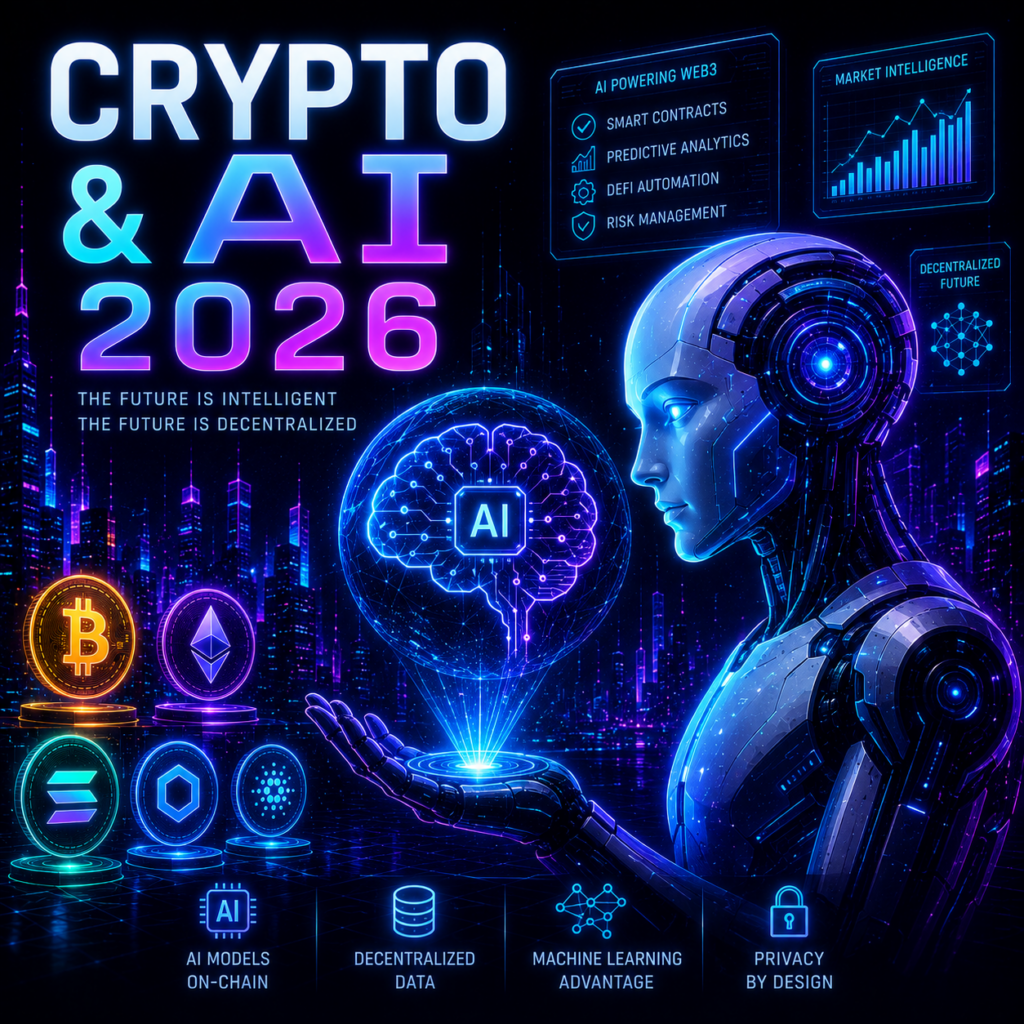
The claim that crypto firms are adopting artificial intelligence is easy to make and rarely tested. In 2026 it can be tested, because the adoption is now large enough to leave a paper trail: a $120 million funding round, agentic products shipped by three of the largest blockchain analytics providers, and compliance workflows rebuilt around automation. The harder question for crypto and AI 2026 is whether any of it is working, and the outcome data gives a more complicated answer than the vendors do. Key Takeaways Elliptic raised $120 million in May 2026 at a $670 million valuation, backed by Nasdaq Ventures and Deutsche Bank, to expand AI-driven monitoring. Chainalysis launched AI agents for crypto crime investigations on 31 March 2026, with competitors shipping similar systems. DefiLlama logged 99 DeFi exploits in the second quarter of 2026, roughly one every 0.9 days and the highest count in its records. Immunefi puts first-half 2026 exploit losses at about $680.3 million, down roughly 74% from the 2022 peak of $2.62 billion. Incident frequency is rising while dollar losses fall, so the crypto and AI 2026 defensive picture depends on which number you quote. Where the money is actually going The most concrete evidence for crypto and AI 2026 adoption is not a press release, it is a balance sheet. Elliptic raised $120 million in May 2026, in a round led by One Peak that valued the London firm at $670 million and drew investment from Nasdaq Ventures and Deutsche Bank. What the company said it would spend it on is the useful detail. Chief executive Simone Maini described accelerating an agentic product roadmap, building systems that sit on the firm’s dataset and automate the repetitive work compliance analysts currently do by hand, so those analysts can spend their time investigating rather than triaging. That is a specific claim about where automation helps, and it is narrower than the sweeping version usually offered. The bottleneck being addressed is analyst hours, not detection intelligence. What crypto and AI 2026 has actually shipped Three of the largest blockchain intelligence providers moved in the same direction within months of each other, which is the clearest evidence of crypto and AI 2026 adoption at the infrastructure layer. Chainalysis announced blockchain intelligence agents for fraud prevention and investigations on 31 March 2026. TRM Labs and Elliptic have introduced comparable systems using natural language interfaces to simplify investigations and surface illicit patterns. Coverage differs meaningfully between them: reporting in mid-2026 put Chainalysis at 27 or more chains with the deepest court record, TRM Labs at 77 or more chains holding FedRAMP High authorisation, and Elliptic at 50 or more chains and 250 or more bridges. Elliptic’s own 2026 policy outlook frames the shift as moving blockchain analytics from reactive compliance toward proactive detection, while noting directly that no technological innovation offers a panacea for illicit finance. That is an unusually honest line from a vendor and it is worth holding onto. The test the old version of this article never applied Here is where crypto and AI 2026 gets interesting. If AI-assisted monitoring, fraud detection and code analysis are working, it should show somewhere in outcomes. The data points in two directions at once. On frequency, things have got worse. DefiLlama logged 99 separate exploits against DeFi protocols in the second quarter of 2026, described in its own July newsletter as the most hacked quarter in DeFi history. That is roughly one incident every 0.9 days. Across the year to date it counts more than 140 exploits and over $1 billion stolen. On severity, things have improved substantially. Immunefi’s first-half 2026 report puts DeFi-specific exploit losses at roughly $680.3 million, down about 74% from the 2022 peak of $2.62 billion, with the average incident now around $7 million rather than the nine-figure disasters of the previous cycle. Both figures are accurate. Attackers are hitting more targets for smaller amounts, which is exactly what you would expect if defensive tooling had improved at the large protocols while the long tail stayed exposed. It is consistent with AI-assisted monitoring working, and it is also consistent with attackers simply running out of large targets. The data cannot distinguish between those explanations, and anyone claiming otherwise is guessing. Where the claim clearly overreaches One part of the standard pitch does not survive contact with the record. AI-assisted smart contract auditing is frequently presented as reducing exploit risk, and 2026 has produced a direct counterexample. The Drift Protocol incident in April 2026 drained more than $200 million from a protocol whose contracts had been audited multiple times by reputable security firms. The code was not the entry point. Similarly, the largest bridge loss of the year traced back to a configuration setting, a message quorum of one, rather than a coding flaw that any analysis tool would have flagged as a vulnerability. Better code analysis does not help when the failure is operational. Our coverage of AI and smart contracts in 2026 looks at what the tooling can and cannot see. The cost argument that may matter more The most defensible case for crypto and AI 2026 adoption is not security at all. It is margin. Industry analysis published in May 2026 argues that regulation raises the floor cost of operating an exchange through licensing, reporting and staffing, while automation lowers the ceiling cost for platforms that embed it in core workflows such as transaction monitoring, compliance screening and support triage. Platforms carrying full regulatory costs without corresponding efficiency gains face the sharpest margin pressure. That framing explains the adoption better than the security narrative does. A compliance team that can clear alerts faster costs less per user, and in a market where fee competition is intense, cost per user is what survives. Our overview of the exchanges defining the industry covers the venues under that pressure. What to watch Three measures would settle the crypto and AI 2026 question over the next year. Exploit frequency falling rather than dollar losses. Frequency is
Crypto Companies Are Turning to AI — Here’s What It Means for Web3

Artificial intelligence is rapidly transforming industries across the globe, and the cryptocurrency sector is no exception. In recent months, crypto companies have increasingly begun integrating AI technologies into their platforms, sparking a new wave of innovation across the Web3 ecosystem. From automated trading systems to smarter blockchain networks and AI-powered decentralized applications, the combination of AI and blockchain technology is creating exciting opportunities for developers, investors, and businesses alike. But what exactly does this shift mean for Web3—and why are so many crypto companies embracing artificial intelligence? Why Crypto Companies Are Adopting AI The cryptocurrency industry has always been driven by technological innovation. As artificial intelligence continues to advance, many blockchain companies are recognizing its potential to enhance their platforms and services. AI can help crypto projects in several key ways, including: Automating complex processes Analyzing large volumes of blockchain data Improving network security Enhancing decentralized applications By integrating AI tools, crypto companies can make their systems more efficient, intelligent, and user-friendly. This is particularly important as Web3 applications grow more sophisticated and attract larger numbers of users. How AI Is Being Used in the Crypto Industry The adoption of artificial intelligence within the crypto sector is expanding rapidly. Several areas of blockchain technology are already benefiting from AI-driven innovation. AI-Powered Trading and Market Analysis One of the most visible applications of AI in crypto is automated trading. AI algorithms can analyze massive datasets, track market trends, and identify potential trading opportunities faster than humans. These systems are often used by institutional investors and trading platforms to make more informed decisions. Smarter Blockchain Security Security remains one of the most important aspects of the blockchain ecosystem. AI can help identify suspicious patterns, detect fraud, and prevent network attacks before they occur. By monitoring blockchain activity in real time, machine learning systems can strengthen the overall security of decentralized networks. AI-Driven Decentralized Applications (dApps) Developers are also beginning to build AI-powered decentralized applications. These applications combine the transparency of blockchain with the analytical capabilities of artificial intelligence. Examples include: AI-based financial advisors in DeFi platforms Intelligent NFT recommendation systems Automated governance tools for decentralized communities These innovations could make Web3 platforms far more interactive and personalized. The Role of AI in the Future of Web3 Web3 represents the next evolution of the internet—one where users have greater control over their data, digital identities, and online interactions. Artificial intelligence could significantly accelerate the development of this decentralized internet. By combining AI with blockchain technology, developers can create platforms that are not only decentralized but also adaptive and intelligent. For example, AI could help manage decentralized networks, optimize smart contract performance, and provide personalized user experiences within Web3 applications. This could ultimately make decentralized technology more accessible to mainstream users. Investment in AI-Crypto Projects Is Rising Another sign of the growing relationship between AI and crypto is the increasing level of investment flowing into AI-focused blockchain startups. Crypto venture capital firms and technology investors are funding projects that aim to build AI infrastructure for decentralized networks. These projects often focus on: Decentralized computing power for AI models AI data marketplaces Machine learning tools built on blockchain networks As these initiatives continue to grow, they could play a major role in shaping the next generation of Web3 platforms. Challenges Facing AI and Blockchain Integration Despite the excitement surrounding AI and Web3, the integration of these technologies still faces several challenges. Some of the most notable obstacles include: High computational requirements for AI models Regulatory uncertainty surrounding AI and crypto technologies Data privacy concerns Technical complexity for developers Addressing these challenges will be essential for the long-term success of AI-powered blockchain systems. Why the AI-Crypto Convergence Matters The growing connection between artificial intelligence and blockchain technology could represent one of the most significant developments in the digital economy. Both technologies share a common goal: creating more efficient, transparent, and decentralized systems. By combining the data-processing power of AI with the security and trust mechanisms of blockchain, developers may be able to build digital ecosystems that are smarter, safer, and more resilient. This convergence could influence everything from finance and supply chains to digital identity and online governance. Final Thoughts The adoption of artificial intelligence by crypto companies marks an important milestone in the evolution of Web3. As AI technologies continue to improve, they are likely to play a growing role in shaping decentralized platforms, blockchain infrastructure, and digital financial systems. While the full impact of AI in the crypto industry is still unfolding, one thing is becoming clear: the future of Web3 may be powered by both blockchain and artificial intelligence working together.
AI Driven Crypto Trading Tools Surge in Popularity Among Retail Investors

Artificial intelligence is rapidly reshaping how retail investors approach crypto markets. In 2026, AI driven crypto trading tools are experiencing a surge in popularity as individual traders seek smarter, faster, and more data driven decision making systems. From automated bots to predictive analytics dashboards, retail participants are increasingly relying on machine learning algorithms to navigate volatile digital asset markets. Crypto has always been a 24 hour market. Unlike traditional equities, it never closes. This nonstop trading environment creates opportunity, but it also presents challenges. Monitoring charts around the clock is unrealistic for most individuals. AI trading tools promise to bridge that gap by analyzing market data continuously and executing trades automatically based on predefined strategies. As competition intensifies and markets mature, retail traders are embracing AI as a way to level the playing field. What AI Trading Tools Actually Do AI driven crypto trading platforms vary widely in sophistication. Some operate as simple signal providers, while others deploy complex machine learning models capable of executing trades autonomously. Common features include: Real time market data analysis • Pattern recognition across multiple timeframes • Sentiment analysis using social and news feeds • Automated entry and exit strategies • Risk management parameter adjustments Unlike traditional bots that follow fixed rule sets, AI enhanced systems adapt over time. They analyze historical performance and refine strategies based on new data inputs. For retail traders, this adaptability is particularly attractive. Markets evolve quickly, and static strategies can become outdated. The Appeal of Automation in Volatile Markets Cryptocurrency markets are known for rapid price swings. Double digit percentage moves can occur within hours. This volatility creates both opportunity and stress. AI automation offers several perceived advantages: Emotional discipline during market swings • Faster reaction times than manual trading • Continuous monitoring without fatigue • Data driven decision making Many retail investors struggle with emotional biases such as fear of missing out or panic selling. AI systems, when configured properly, remove emotional decision making from the equation. However, automation does not eliminate risk. Poorly configured algorithms can amplify losses just as quickly as they capture gains. Sentiment Analysis Becomes a Powerful Tool One of the most innovative developments in AI crypto trading tools is sentiment analysis. Crypto markets are heavily influenced by social media trends, influencer commentary, and breaking news. Advanced AI models now scan: Social media platforms • Developer repositories • News articles • On chain transaction spikes • Community governance discussions By processing vast quantities of text data, these tools attempt to identify shifts in market sentiment before they are reflected in price. Retail traders increasingly value this capability because sentiment often drives short term momentum. Integration With Decentralized Exchanges and Wallets Modern AI trading tools are not limited to centralized exchanges. Many now integrate directly with decentralized exchanges and non custodial wallets, allowing users to maintain control over their assets. Key integration features include: API connections to major exchanges • Smart contract interaction capabilities • Cross chain portfolio tracking • Automated rebalancing across multiple wallets This flexibility reflects broader crypto trends favoring decentralization and user custody. As DeFi platforms expand, AI trading tools are adapting to operate seamlessly across multiple ecosystems. The Rise of Subscription Based AI Platforms Another major shift is the growth of subscription based AI trading services. Rather than building bots independently, many retail traders are subscribing to platforms that offer pre built AI models and managed strategies. These platforms often provide: Backtested performance metrics • Strategy customization options • Risk profile selection • Performance dashboards Lower barriers to entry make AI tools accessible even to traders without programming knowledge. However, reliance on third party services introduces trust considerations. Users must evaluate transparency, security standards, and historical accuracy claims. Risks and Overconfidence in AI Trading While AI tools are gaining popularity, they are not guaranteed profit machines. Retail traders sometimes overestimate the predictive power of machine learning systems. Key risks include: Overfitting models to historical data • Algorithm failure during extreme market events • Liquidity slippage in volatile conditions • Platform security vulnerabilities Markets can behave unpredictably during black swan events. AI models trained on historical trends may struggle to adapt to unprecedented scenarios. Risk management remains essential. Position sizing, stop loss parameters, and diversification are still critical components of responsible trading. Regulatory Scrutiny Around Automated Trading As AI trading tools become more widespread, regulators are examining their impact. Automated trading raises questions about market manipulation, unfair advantages, and consumer protection. Some jurisdictions are exploring guidelines requiring: Clear disclosure of algorithmic strategies • Transparency in performance claims • Safeguards against excessive leverage • Risk warnings for retail participants While regulation may introduce compliance requirements, it could also increase trust in AI trading platforms. Greater oversight may attract more cautious investors who were previously hesitant to engage with automated systems. Impact on Market Efficiency The growing use of AI trading tools is influencing overall market structure. Increased algorithmic participation can lead to tighter spreads, faster price discovery, and reduced inefficiencies. However, it may also increase short term volatility if many systems react simultaneously to similar signals. For example: Rapid momentum cascades • Simultaneous liquidation events • Accelerated breakout movements As AI participation rises, understanding algorithm driven market behavior becomes increasingly important for traders. Education and Responsible Use With popularity comes responsibility. Retail investors must understand how AI tools function rather than treating them as black boxes. Best practices include: Reviewing backtesting methodology • Monitoring live performance regularly • Avoiding excessive leverage • Starting with smaller allocations AI can enhance decision making, but it should complement knowledge rather than replace it. Education remains the most valuable asset in any trading strategy. The Future of AI in Retail Crypto Trading Looking ahead, AI integration is likely to deepen further. Potential developments include: Voice activated trading assistants • Personalized AI portfolio advisors • Cross asset predictive analytics • Integration with tokenized real world asset markets As machine learning models become more sophisticated and data availability expands, retail traders may gain access to institutional grade analytics
How Artificial Intelligence Is Powering Smarter DeFi Protocols in 2026

In 2026, decentralized finance is no longer just about permissionless lending and token swaps. A new layer of intelligence is being integrated directly into protocols, fundamentally changing how DeFi platforms operate. Artificial intelligence is now powering smarter risk models, automated portfolio strategies, fraud detection systems, and dynamic yield optimization engines. The merger between AI and DeFi represents one of the most significant technological shifts in blockchain innovation. While early DeFi platforms relied heavily on static smart contracts and overcollateralized lending models, modern protocols are increasingly adaptive. They analyze real time data, adjust parameters automatically, and respond to market volatility with precision that was previously impossible. This evolution is redefining what decentralized finance can achieve in terms of efficiency, security, and user experience. AI Driven Risk Assessment Is Transforming Lending One of the most impactful applications of artificial intelligence in DeFi is advanced risk modeling. Traditional DeFi lending protocols operated with fixed collateral ratios. Borrowers were required to overcollateralize positions significantly because systems lacked nuanced risk evaluation. In 2026, AI powered risk engines are capable of: Analyzing on chain transaction histories • Evaluating wallet behavior patterns • Monitoring cross protocol exposure • Assessing liquidity conditions in real time • Predicting volatility scenarios By leveraging machine learning models trained on historical blockchain data, DeFi lending platforms can dynamically adjust collateral requirements. This reduces unnecessary capital lockups while maintaining system security. The result is more capital efficient lending without sacrificing decentralization principles. Automated Yield Optimization Becomes Smarter Yield farming once required constant manual monitoring. Users had to move assets between pools to chase higher returns, often incurring transaction costs and exposure risks. AI integration has changed this dynamic. Smart yield aggregators now deploy machine learning algorithms that evaluate: Liquidity depth across multiple protocols • Reward emission schedules • Token price volatility • Impermanent loss risk • Gas fee efficiency These systems can automatically rebalance portfolios in response to changing conditions. Rather than reacting to market shifts, AI driven protocols anticipate trends using predictive analytics. For users, this means optimized returns with less manual intervention. Fraud Detection and Security Enhancement Security has always been a major concern in DeFi. Exploits, flash loan attacks, and smart contract vulnerabilities have resulted in billions in losses over the years. Artificial intelligence is now being used to strengthen protocol defenses. AI systems monitor network activity continuously and detect anomalies that may indicate malicious behavior. Advanced security capabilities include: Real time detection of abnormal transaction patterns • Automated flagging of suspicious wallet clusters • Monitoring for governance manipulation attempts • Predictive modeling of exploit vectors Instead of relying solely on static audits, protocols now combine smart contract reviews with continuous AI monitoring. This layered defense model significantly improves resilience. As DeFi matures, security driven AI integration is becoming standard rather than optional. AI Powered Decentralized Autonomous Organizations Governance is another area where artificial intelligence is reshaping DeFi. Decentralized autonomous organizations traditionally rely on token holder voting, which can be slow and reactive. In 2026, AI tools assist governance processes by: Simulating proposal outcomes under different scenarios • Analyzing historical voting patterns • Identifying potential economic impacts • Offering predictive insights before implementation These AI assistants do not replace human governance but provide data driven recommendations. Token holders can make more informed decisions with clearer visibility into potential risks and rewards. This hybrid approach balances decentralization with intelligent guidance. Personalized DeFi Experiences Artificial intelligence is also enhancing user experience by personalizing DeFi interfaces. Instead of generic dashboards, platforms now adapt to individual risk tolerance and behavior. AI driven personalization includes: Customized yield strategy suggestions • Automated portfolio rebalancing • Risk exposure alerts • Smart tax reporting summaries By analyzing user preferences and transaction history, DeFi platforms deliver tailored insights without compromising privacy. This improved accessibility lowers barriers for mainstream adoption. On Chain Data as AI Fuel Blockchain ecosystems generate vast amounts of transparent data. Every transaction, liquidity shift, and governance vote is publicly recorded. This creates an ideal dataset for machine learning models. AI systems in DeFi leverage: Historical price movements • Liquidity pool dynamics • Lending and borrowing patterns • Cross chain bridge activity • Stablecoin flow metrics Because blockchain data is immutable and verifiable, it provides high quality inputs for predictive modeling. The combination of open data and decentralized execution creates a uniquely powerful environment for AI development. Challenges and Limitations Despite significant progress, AI powered DeFi protocols face ongoing challenges. Key concerns include: Model bias due to limited training data • Overfitting in volatile market conditions • Transparency of algorithmic decision making • Regulatory scrutiny around automated finance Ensuring that AI models remain interpretable and auditable is essential. Decentralized communities must maintain oversight over how algorithms influence protocol parameters. Additionally, extreme market events can challenge predictive models. Stress testing and conservative safeguards remain critical components of responsible deployment. Regulatory Implications in 2026 As AI and DeFi merge more deeply, regulators are paying closer attention. Automated lending decisions, dynamic collateral adjustments, and predictive risk scoring introduce new compliance considerations. Some jurisdictions are exploring frameworks that require: Transparency in algorithm design • Clear disclosure of automated decision mechanisms • Consumer protection standards • Governance accountability While regulatory clarity may initially slow experimentation, it could also legitimize AI driven DeFi systems for institutional adoption. Institutions are more likely to participate in decentralized markets when oversight frameworks are defined. Institutional Adoption of Intelligent DeFi Institutional interest in DeFi has grown steadily, particularly as tokenization and on chain settlement systems expand. AI integration strengthens the appeal by improving risk management and operational efficiency. Institutions value: Predictive liquidity modeling • Automated compliance monitoring • Real time portfolio analytics • Reduced operational overhead As AI makes DeFi platforms more robust and data driven, institutional capital may flow more confidently into decentralized ecosystems. This convergence could accelerate the maturity of both sectors. The Road Ahead for AI Powered DeFi Looking forward, the integration of artificial intelligence into decentralized finance is likely to deepen further. Potential future developments include: Autonomous on chain trading agents •
AI Crypto Boom 2026: These Tokens Could 5X Before Year-End
Artificial intelligence is no longer just a tech trend — it’s reshaping entire industries. And in 2026, it’s fueling one of the fastest-growing narratives in crypto. As AI integrates deeper into blockchain ecosystems, investors are rotating capital into AI-focused tokens. With increasing adoption, rising developer activity, and renewed market momentum, some analysts believe select AI crypto tokens could see significant upside before year-end. But is the AI crypto boom sustainable — and which projects are leading the charge? Let’s explore the trend. Why AI and Crypto Are Converging Artificial intelligence thrives on data, automation, and computational efficiency. Blockchain provides decentralization, transparency, and secure execution. When combined, these technologies enable: AI-driven smart contract automation Decentralized data marketplaces On-chain predictive analytics AI-powered trading tools Autonomous DeFi optimization The result is a rapidly expanding sector known as decentralized AI. What’s Fueling the AI Crypto Boom in 2026? Several catalysts are driving the AI token rally: Big Tech AI Expansion As major technology firms invest heavily in AI, blockchain-based AI projects are gaining credibility by association. Increased Venture Capital Interest Funding into AI blockchain projects has accelerated, signaling long-term confidence in the sector. Growing Web3 AI Integration New decentralized applications are embedding AI directly into smart contracts, analytics, and automation layers. Broader Altcoin Momentum If altcoin season 2026 strengthens, narrative-driven sectors like AI often outperform. AI Tokens to Watch in 2026 While market conditions evolve, several AI crypto tokens are gaining attention due to strong ecosystems and utility-driven models. Decentralized Compute Networks Projects offering distributed AI computation power are attracting enterprise interest. AI Data Marketplaces Blockchain-powered data sharing platforms enable secure AI training environments. AI-Enhanced DeFi Protocols Some DeFi platforms now integrate predictive AI models to optimize yields and liquidity allocation. Autonomous Agent Networks Emerging projects are developing AI agents capable of executing on-chain transactions independently. These categories represent the cutting edge of AI blockchain innovation. Could AI Tokens Really 5X? In crypto markets, rapid price expansion often occurs during strong narrative cycles. For AI tokens to achieve significant gains, several factors must align: Sustained capital inflows Strong on-chain usage growth Clear product-market fit Technical breakout confirmation Continued macro liquidity support Speculative momentum alone rarely sustains long-term rallies — adoption is key. Risks to Consider The AI crypto boom also carries risks: Overvaluation during hype cycles Technical scalability limitations Regulatory scrutiny Competition from centralized AI providers Market-wide corrections Investors should balance enthusiasm with careful research. The Bigger Picture: AI as a Long-Term Crypto Narrative Unlike short-term meme trends, artificial intelligence represents a structural technological shift. Blockchain-based AI projects aim to: Democratize access to compute resources Secure data ownership Reduce reliance on centralized platforms Enable autonomous decentralized systems If adoption continues growing, AI altcoins 2026 may remain relevant beyond short-term speculation. What Investors Should Watch To gauge whether the AI crypto boom continues, monitor: Developer activity metrics Total value locked (TVL) in AI DeFi platforms Token utility expansion Partnership announcements Volume confirmation during rallies Strong fundamentals often precede sustained price moves. Final Thoughts The AI crypto boom in 2026 reflects more than hype — it highlights the growing intersection between artificial intelligence and decentralized networks. While 5X projections depend on market conditions and execution, AI-focused tokens are undeniably becoming a major narrative in this cycle. As Web3 AI integration accelerates, select projects may capture disproportionate attention. In crypto, innovation-driven sectors often lead during expansion phases. And right now, AI appears to be at the center of that momentum.
How Artificial Intelligence Is Reshaping Blockchain Security and Smart Contracts
Artificial intelligence and blockchain are two of the most transformative technologies of the modern digital era. Individually, each has disrupted industries ranging from finance to healthcare. Together, they are beginning to reshape how decentralized systems operate, particularly in the areas of blockchain security and smart contract functionality. As blockchain adoption grows, so does the complexity of its infrastructure. Smart contracts now manage billions in value across decentralized finance platforms, NFT marketplaces, gaming ecosystems, and enterprise applications. With this growth comes increased risk. Exploits, vulnerabilities, and malicious actors continue to target weaknesses in code and network architecture. Artificial intelligence is emerging as a powerful solution. By enhancing threat detection, automating auditing processes, and optimizing smart contract execution, AI is redefining the security and reliability of blockchain systems. The Security Challenges Facing Blockchain Networks While blockchain technology is often described as secure by design, the reality is more nuanced. The underlying cryptography may be robust, but the applications built on top of blockchain networks can still contain vulnerabilities. Common blockchain security challenges include: Smart contract coding errors • Flash loan exploits • Oracle manipulation • Phishing attacks targeting wallet users • Network congestion and spam attacks • Governance manipulation through coordinated behavior Most vulnerabilities stem not from the blockchain itself, but from human-written code and complex interactions between decentralized applications. As decentralized ecosystems expand, manual auditing alone is no longer sufficient. This is where artificial intelligence plays a transformative role. AI-Powered Smart Contract Auditing One of the most immediate applications of AI in blockchain is automated smart contract auditing. Traditional auditing requires skilled developers to manually inspect thousands of lines of code for potential vulnerabilities. This process is time-intensive and costly. AI-driven systems can analyze smart contract code using machine learning models trained on historical exploit data. These systems can: Identify patterns linked to previous hacks • Detect abnormal logic flows • Flag risky functions before deployment • Continuously monitor contract behavior post-launch Unlike static code review, AI can improve over time. As new exploit techniques emerge, machine learning models can adapt and refine detection patterns. This dynamic learning capability significantly enhances proactive security measures. Real-Time Threat Detection on Blockchain Networks Beyond auditing, artificial intelligence is improving real-time monitoring of blockchain activity. Blockchain data is public and transparent, but the sheer volume of transactions makes manual monitoring impractical. AI systems can analyze transaction flows, wallet behavior, and network patterns to identify suspicious activity in real time. Examples include: Detecting unusual transaction clustering • Flagging large coordinated transfers • Identifying abnormal liquidity pool movements • Spotting rapid contract interaction spikes By recognizing behavioral anomalies, AI can alert platforms to potential exploits before they escalate. This shift from reactive to proactive security represents a major advancement in blockchain resilience. Strengthening Wallet and User Protection End-user security remains a critical vulnerability in crypto. Phishing attacks, malicious links, and social engineering scams continue to cost users millions. Artificial intelligence enhances wallet security by: Scanning URLs for malicious characteristics • Flagging suspicious transaction requests • Identifying scam token contracts • Monitoring abnormal account activity Machine learning models can analyze known scam patterns and compare them against new threats in real time. This reduces reliance on user judgment alone. As AI tools integrate directly into wallets and decentralized applications, user-level protection becomes more robust. Adaptive Smart Contracts: The Next Evolution Traditional smart contracts execute predefined instructions automatically once conditions are met. However, they lack adaptability. Once deployed, they cannot easily adjust to unexpected conditions without upgrades. Artificial intelligence introduces the possibility of adaptive smart contracts. These contracts could respond dynamically to changing data inputs and network conditions. Potential applications include: Adjusting transaction fees based on congestion • Modifying collateral requirements during market volatility • Optimizing liquidity allocation in decentralized finance protocols • Enhancing automated market maker strategies By integrating AI models with on-chain logic, decentralized systems become more intelligent and responsive. This evolution moves smart contracts from rigid automation toward context-aware execution. Improving Fraud Detection in Decentralized Finance Decentralized finance platforms process enormous transaction volumes daily. Fraud detection within these systems is critical to maintaining trust. AI enhances DeFi security by analyzing: Trading behavior patterns • Liquidity pool interactions • Governance voting anomalies • Cross-chain transaction movements Machine learning algorithms excel at identifying subtle patterns that humans may overlook. This capability is especially valuable in detecting coordinated manipulation or wash trading. As DeFi grows more complex, AI-driven oversight will likely become standard infrastructure. Enhancing Consensus and Network Optimization Artificial intelligence is also being explored in optimizing blockchain consensus mechanisms. Networks must balance decentralization, security, and scalability. AI can contribute by: Predicting network congestion • Optimizing validator performance • Identifying potential node failures • Enhancing energy efficiency in consensus processes In proof-of-stake systems, AI could analyze validator behavior to detect malicious coordination attempts or performance degradation. By continuously learning from network data, AI helps maintain operational efficiency and security. Challenges of Integrating AI With Blockchain Despite its promise, integrating artificial intelligence with blockchain systems presents challenges. Key concerns include: Data privacy when training AI models • Transparency of machine learning decision-making • Centralization risks if AI systems are controlled by few entities • Computational costs associated with AI processing Blockchain prioritizes transparency and decentralization, while AI models can sometimes function as opaque systems. Balancing these philosophies requires careful architectural design. Decentralized AI models and federated learning approaches may offer solutions. Decentralized AI Marketplaces and Infrastructure A growing trend involves building decentralized marketplaces for AI services. These platforms allow users to contribute computing power, datasets, or machine learning models in exchange for tokens. Such infrastructure can: Reduce reliance on centralized AI providers • Democratize access to computational resources • Increase transparency in AI training processes • Improve security through distributed validation Blockchain ensures accountability and immutability, while AI provides advanced analytical capabilities. Together, they create more resilient digital ecosystems. Regulatory Implications and Ethical Considerations As AI strengthens blockchain security, regulatory interest will likely intensify. Governments are already examining both technologies independently. When combined, concerns may include: Automated decision-making accountability
Inside the AI-Crypto Boom

AI and crypto are converging faster than ever, creating a wave of opportunities and challenges for investors. From cutting-edge AI-driven trading tools to tokens powering machine learning platforms, understanding this landscape is critical for anyone looking to stay ahead. CryptoLikeThis dives into the trends, risks, and potential winners shaping the AI-crypto boom, providing a roadmap for investors seeking strategic insight. The Rise of AI-Powered Crypto Projects Artificial intelligence is no longer just a buzzword in crypto; it’s becoming a fundamental driver of innovation. Investors are seeing a surge in projects that leverage AI for: Predictive trading algorithms that analyze market patterns in real time. • Automated portfolio management platforms optimizing returns for retail and institutional investors. • AI-based analytics tools that uncover hidden tokenomics trends. • Machine learning-driven decentralized applications (dApps) that enhance user experience, governance, and security. • AI-powered NFT creation and verification tools that reduce fraud and improve valuation models. These projects aim to provide smarter decision-making tools and improve efficiency across the blockchain ecosystem. For example, some platforms use AI to monitor liquidity pools and suggest optimal trading routes, while others deploy neural networks to detect early signs of network congestion or security vulnerabilities. Investors who can identify the platforms with scalable AI solutions may gain an edge in the increasingly competitive market. Key Tokens to Watch in the AI-Crypto Sector Several tokens are gaining attention for their integration with AI technologies: SingularityNET (AGIX): Known for decentralized AI services, AGIX allows developers to monetize AI algorithms on a blockchain. It has partnerships with robotics projects and healthcare AI platforms, demonstrating cross-industry adoption. • Fetch.ai (FET): Focused on autonomous economic agents, FET supports AI-driven digital twins and smart contracts, enabling automated decision-making in logistics, finance, and IoT systems. • Ocean Protocol (OCEAN): Specializes in AI data sharing, enabling secure access to high-quality datasets for machine learning applications. Companies can monetize proprietary data while maintaining privacy. • Numeraire (NMR): Incentivizes data scientists to develop predictive models for financial markets. Its unique staking model aligns performance with rewards, attracting top-tier AI talent. • Cortex (CTXC): Integrates AI models into smart contracts, allowing decentralized applications to execute AI-driven logic directly on-chain. Investors should monitor these projects not only for short-term price movements but also for technological adoption, strategic partnerships, community engagement, and network growth—key indicators of long-term potential. Case Studies of Successful AI-Crypto Integration To understand the real-world impact, consider these examples: AI-Powered Trading Bots: Platforms like Numerai and Covalent use AI algorithms to analyze millions of market signals. Numerai’s hedge fund integrates these models to manage a multimillion-dollar portfolio, demonstrating how AI can outperform traditional human-led strategies in specific market conditions. • Decentralized AI Marketplaces: SingularityNET enables AI developers to sell algorithms to businesses and other blockchain projects, creating a new revenue stream. This approach has led to collaborations in healthcare, robotics, and data analysis, showing that AI-crypto integration can have tangible real-world applications. • AI in DeFi Risk Management: Projects like Fetch.ai deploy AI to optimize liquidity provision and minimize impermanent loss in decentralized finance platforms. These tools allow users to earn higher yields while reducing exposure to volatile market swings. These examples highlight the versatility and growing adoption of AI in crypto, signaling both innovation potential and investment opportunities. How AI is Shaping Crypto Trading AI is transforming the trading landscape by: Enhancing algorithmic trading strategies with predictive modeling capable of adapting to real-time market conditions. • Reducing human bias in trading decisions through data-driven insights and sentiment analysis. • Enabling high-frequency trading bots capable of executing millions of trades per second, outperforming manual traders in speed and accuracy. • Improving risk management with AI-driven simulations of market scenarios, stress-testing portfolios against extreme events. • Analyzing social media and news trends in real time to forecast market sentiment shifts. While these advancements can improve returns, they also introduce new risks. Overreliance on AI without understanding market fundamentals or macroeconomic factors can lead to unexpected losses, especially during periods of extreme volatility or black swan events. Investor Strategies for Navigating the AI-Crypto Boom To capitalize on AI-crypto opportunities, investors should consider a balanced approach: Diversify Across AI-Focused Tokens: Avoid putting all capital into a single project. Exposure to multiple platforms reduces risk while increasing chances of hitting high-growth projects. • Monitor Technological Milestones: Projects delivering working AI solutions or forming strategic partnerships often outperform speculative tokens. • Stay Informed About Regulatory Shifts: Governments are increasingly scrutinizing AI and crypto. Regulatory clarity or restrictions can significantly affect project adoption and market sentiment. • Evaluate Token Utility: Focus on tokens that serve a functional purpose in AI ecosystems, rather than purely speculative coins. Utility often translates into long-term value. • Engage With the Community: Projects with active developer communities and transparent roadmaps tend to have better resilience during market downturns. By combining technological understanding with market awareness, investors can navigate this rapidly evolving sector more effectively and reduce exposure to hype-driven losses. Risks and Considerations in AI-Crypto Investments The AI-crypto market is promising, but it comes with inherent risks: Regulatory Uncertainty: AI-driven financial products may face stricter oversight, potentially impacting token value or platform functionality. • Market Volatility: Rapid growth sectors can experience extreme price swings, making timing crucial. • Technological Risks: AI algorithms may fail, projects may overpromise capabilities, or platforms may experience bugs that disrupt operations. • Hype-Driven Speculation: Media buzz can inflate valuations without sustainable fundamentals, creating bubbles that burst abruptly. • Ethical and Privacy Concerns: AI data usage must comply with privacy laws; mishandling data can trigger legal consequences. Prudent investors must weigh potential returns against these risks and avoid chasing trends without adequate research or understanding. The Future of AI-Crypto Integration The integration of AI and blockchain is expected to deepen in the coming years, with several trends likely to shape the market: AI-Enhanced DeFi: Platforms leveraging AI for lending, borrowing, and yield optimization may provide higher efficiency and lower risk for users. • Smart Contract Automation: AI tools improving contract execution, auditing, and fraud
How Artificial Intelligence Is Reshaping Blockchain

Artificial Intelligence (AI) is rapidly transforming the crypto landscape, driving new efficiencies, smarter trading strategies, and enhanced security protocols. From predictive analytics to autonomous trading bots, AI is becoming an integral part of blockchain ecosystems. In this article, CryptoLikeThis breaks down the key ways AI is influencing crypto markets, highlights real-world examples, and explores what it means for investors in 2026 and beyond. AI-Powered Trading and Market Insights AI-driven trading algorithms are reshaping how investors approach crypto markets. Traditional trading relied heavily on manual analysis, but AI can process vast amounts of market data in real-time, identifying patterns and predicting price movements with unprecedented speed. Predictive Analytics: Machine learning models analyze historical price data, market sentiment, macroeconomic factors, and social trends to forecast short-term and long-term price movements. Platforms like TokenMetrics and Santiment leverage AI to deliver actionable insights to retail and institutional traders. Algorithmic Trading Bots: Autonomous trading systems execute buy and sell orders based on AI-generated insights, reducing emotional trading mistakes. Examples include AI bots on 3Commas and Pionex, which can automatically adjust strategies based on volatility, volume, and trend analysis. Sentiment Analysis: AI tools scan social media, news outlets, and crypto forums to gauge public sentiment toward specific tokens. By detecting sudden spikes in attention or fear, traders can anticipate price swings before they happen. Tools like LunarCrush are pioneering this approach, integrating millions of data points into actionable dashboards. Portfolio Optimization: Some AI platforms can recommend portfolio adjustments based on predictive modeling, ensuring investors maintain optimal risk-reward balances in volatile markets. These advancements not only empower institutional investors but also give retail traders access to sophisticated tools that were previously out of reach. As AI continues to evolve, the line between human decision-making and automated strategies is blurring, creating a more data-driven crypto environment. Enhanced Security Through AI Security remains a top concern in the crypto industry, and AI is proving to be a valuable ally in protecting assets and networks. Fraud Detection: AI systems monitor blockchain transactions in real-time, identifying unusual patterns that may indicate fraud, money laundering, or unauthorized activity. Projects like Chainalysis and Elliptic are using AI to provide real-time transaction monitoring for exchanges and institutions. Smart Contract Auditing: Smart contracts are prone to coding errors that can lead to costly exploits. AI tools can automatically scan contracts for vulnerabilities, reducing the risk of hacks. Platforms like CertiK and OpenZeppelin incorporate AI-assisted auditing in their review processes. Network Threat Prediction: Machine learning models analyze network behavior to anticipate attacks such as 51% attacks, DDoS threats, or unusual mining patterns. Predictive AI allows developers to implement security protocols before threats materialize. Phishing Detection: AI models are being used to identify phishing websites, fake wallets, and malicious dApps in real-time, protecting users from scams. Integrating AI into security frameworks makes blockchain networks more resilient, fosters trust among investors, and encourages greater institutional adoption. As AI models become smarter, they are expected to anticipate threats even before they appear, creating a proactive rather than reactive approach to crypto security. AI in Blockchain Development AI is not just transforming trading and security—it’s also influencing blockchain development itself. Optimized Consensus Mechanisms: AI can help improve blockchain efficiency by adjusting consensus protocols dynamically, reducing energy consumption and increasing transaction throughput. For example, AI can predict network congestion and allocate computational resources more efficiently. Smart Contract Automation: AI algorithms can automate contract execution, enforce compliance, and manage complex conditional logic, reducing human intervention and errors. Data Analysis and Management: AI assists in managing vast blockchain datasets, enabling faster retrieval, predictive storage optimization, and improved indexing for dApps. Governance Models: AI can analyze on-chain voting behavior to optimize decentralized governance models, ensuring more equitable decision-making in DAOs (Decentralized Autonomous Organizations). By integrating AI into blockchain development, networks become more adaptable, scalable, and capable of handling increasingly complex operations, paving the way for next-generation decentralized applications. AI-Driven Decentralized Finance (DeFi) Innovations The DeFi sector is embracing AI to create more efficient, responsive, and user-friendly platforms. Automated Portfolio Management: AI-powered tools provide real-time portfolio optimization and risk management for DeFi investors, helping them adjust allocations across multiple protocols. Dynamic Lending and Borrowing: AI models adjust interest rates and collateral requirements based on market conditions, liquidity, and borrower behavior. Projects like Aave and Compound are exploring AI integration to automate lending strategies. Liquidity Optimization: Machine learning algorithms predict liquidity needs and optimize capital allocation across decentralized exchanges, reducing slippage and maximizing yield. Fraud and Risk Assessment: AI models continuously analyze on-chain activity to detect irregular patterns, reducing systemic risks in lending and staking protocols. By integrating AI, DeFi platforms improve accessibility, reduce risks, and enhance profitability, creating a more sustainable ecosystem for retail and institutional investors. Real-World AI + Crypto Examples Several projects are already demonstrating the potential of AI in crypto: Numerai: A hedge fund powered by AI models contributed by data scientists around the world, where predictions influence crypto staking rewards. Fetch.ai: A decentralized AI network enabling autonomous economic agents to make real-time decisions, from trading to logistics. Cortex: Integrates AI models directly onto blockchain smart contracts, allowing on-chain AI computation and decision-making. SingularityNET: Provides a marketplace for AI services that interact with blockchain applications, including finance, healthcare, and predictive analytics. These projects highlight how AI can add value across multiple layers of the crypto ecosystem, from market insights to network optimization. Challenges and Considerations While AI brings significant benefits, it also introduces new challenges: Data Privacy: AI relies on large datasets, raising concerns about handling sensitive financial and personal data. Algorithmic Bias: Machine learning models may inherit biases from training data, potentially leading to flawed predictions or unfair outcomes. Regulatory Uncertainty: Governments are still defining how AI can be used in crypto, with potential restrictions on trading algorithms, data usage, and automated decision-making. Overreliance on AI: While AI can enhance decision-making, excessive dependence could lead to vulnerabilities if models fail to account for unprecedented market events. Investors and developers must weigh these risks carefully while leveraging AI for strategic advantages.