AI DeFi has transitioned from a conceptual framework into the primary driver of decentralized finance as of October 7, 2026. These platforms utilize autonomous systems to manage assets, execute trades, and optimize yields without the need for constant human intervention.
Recent data indicates that the infrastructure for these systems is already mature and operational. By September 14, 2026, specialized data servers were already providing real-time analytics to automated agents, enabling them to filter through thousands of liquidity pools and cross-chain opportunities with precision that exceeds manual capabilities.
Key Takeaways
- Autonomous agents are now capable of filtering more than 19,000 yield pools to identify optimal returns in real-time.
- The Mythos AI model has identified 20 zero-day vulnerabilities in existing software, highlighting new risks for protocol security in 2026.
- Total value locked (TVL) metrics are no longer considered a standalone proof of safety due to their sensitivity to asset price fluctuations.
- Superform’s 2026 roadmap includes the integration of agentic vault managers to handle complex on-chain strategies.
- The Roundtable platform, unveiled on July 23, 2026, demonstrates the expansion of automated finance into the media and journalism sectors.
Understanding The Role Of Autonomous Agents In AI DeFi
The current landscape of AI DeFi relies heavily on Autonomous Economic Agents (AEA). These agents are decentralized software entities that perform tasks and settle value without the need for centralized oversight. According to research from Gate Learn, autonomous agents can participate in economic activity rather than just performing simple computations. This allows the system to act as a decision-making layer while the underlying blockchain serves as the settlement and trust layer.
These agents operate within a multi-agent system (MAS) where they interact with one another to solve complex financial problems. In an AI DeFi environment, one agent might be responsible for monitoring market volatility while another focuses on executing trades. This division of labor ensures that the portfolio remains balanced even during periods of high market stress. The Fetch.ai network provides a framework where these services, including prediction and automated execution, are tokenized and settled using native tokens within an on-chain marketplace.
The shift toward automation is driven by the realization that software is better suited for the high-speed nature of on-chain finance. On the Talking Tokens podcast, Vik Arun noted that AI agents, not humans, are the natural managers of on-chain portfolios. This is because the complexity of managing multiple positions across different protocols has reached a point where manual management is no longer efficient.
Data infrastructure has kept pace with these developments. On September 16, 2026, the org.memoryapi/defi server was confirmed to be functional, providing agents with tools to retrieve TVL data from sources like DefiLlama. These tools allow for filtering protocols by chain, minimum TVL, or specific protocol slugs, which is essential for agents to make informed decisions. This level of data integration is a cornerstone of the modern AI DeFi ecosystem.
How Automated Systems Optimize Yield Farming And Liquidity Pools
In the realm of yield farming, AI DeFi platforms have introduced a level of precision that was previously unattainable. Automated systems can scan thousands of opportunities to find the most efficient path for capital. Gate Learn reports that autonomous agents can automatically select the most efficient liquidity pools and adjust asset allocation dynamically based on changing market conditions. This reduces the time a user’s capital sits in underperforming pools.
The scale of this optimization is significant. Data from the AI Agent Board shows that agents have access to yield and APY data from over 19,000 pools. For a human investor, analyzing this many options would be impossible. An AI DeFi agent, however, can process this information in seconds, moving liquidity to where it is most productive. This process helps maintain deeper liquidity across the ecosystem, as capital flows to where it is needed most.
Furthermore, these systems are used for more than just simple transfers. They can manage complex vault strategies that involve multiple steps, such as borrowing against collateral to increase yield in another protocol. Our research on ai and blockchain integration opens new opportunities for automation explains how these automated workflows are becoming the standard for sophisticated investors.
The convergence of these technologies also addresses the issue of information pricing. AI agents can participate in prediction markets, using automated analysis to improve the efficiency of how information is priced. This means that yield opportunities are identified and filled faster, leading to a more stable and predictable environment for users of AI DeFi platforms.
The Transition From Manual Management To Protocol Powered Execution
The transition from institution-driven financial systems to models powered by protocols represents a fundamental shift in how value is managed. In this new era of AI DeFi, the protocol itself handles the execution and settlement of trades in real-time. This removes the need for traditional intermediaries like banks or fund managers, who often introduce delays and additional costs.
This shift is evident in the 2026 roadmaps of major protocols. For instance, Superform is planning the launch of agentic vault managers in 2026. These managers are designed to operate within specific guardrails, ensuring that the AI DeFi system remains within the risk parameters set by the user or the protocol governance. This allows for a balance between the speed of automation and the safety of human-defined rules.
Research published in 2024 by Nartey suggested that the convergence of finance and intelligent systems could create more personalized services. By 2026, this has materialized as AI DeFi applications that offer tailored lending, credit scoring, and portfolio management. These services adapt to the specific needs and risk profiles of individual users, rather than offering a one-size-fits-all solution.
The role of the investor is also changing. Instead of making individual trade decisions, investors are increasingly focusing on selecting the right AI DeFi protocols and setting the overarching strategy. The actual execution is left to the autonomous agents. This evolution is detailed in our guide on how to read on-chain signals, which helps investors understand the data that these agents are using to make decisions.
Security Threats From Autonomous Hacking And Zero Day Vulnerabilities
While AI DeFi offers many benefits, it also introduces significant security challenges. The same intelligence that optimizes portfolios can also be used to attack them. Anthropic’s Mythos model is a prime example of this dual-use risk. The model is so powerful that Anthropic restricted its access to a small number of partners and a $100 million compute budget. Despite these restrictions, the Mythos model has already identified 20 zero-day vulnerabilities in software that is decades old.
This development has changed how the industry views security. In the past, immutability was often seen as the ultimate guarantee of safety. However, the Balancer V2 hack demonstrated that even well-audited, immutable code can be vulnerable. Unchained Crypto reports that autonomous AI hacking means that protocols built to be unhackable must now face constant, high-speed probing for any weakness.
The risks are not just theoretical. In one instance, a degen farming bot locked funds in an Aerodrome gauge through a single incorrect NFT transfer. This shows that even simple errors in automated logic can have severe consequences. As AI DeFi agents become more complex, the potential for these types of "sleeper" bugs increases. The industry is now looking toward ai smart contracts 2026 as a way to build more resilient systems that can detect and react to threats in real-time.
Furthermore, the infrastructure running the most powerful AI systems is not perfect. Anthropic’s 89% uptime, while high, indicates that there are still periods where the systems managing these portfolios could be offline or unreachable. This creates a window of risk where an AI DeFi platform might not be able to respond to a sudden market crash or a targeted attack.
Why Total Value Locked And Risk Scores Do Not Guarantee Safety
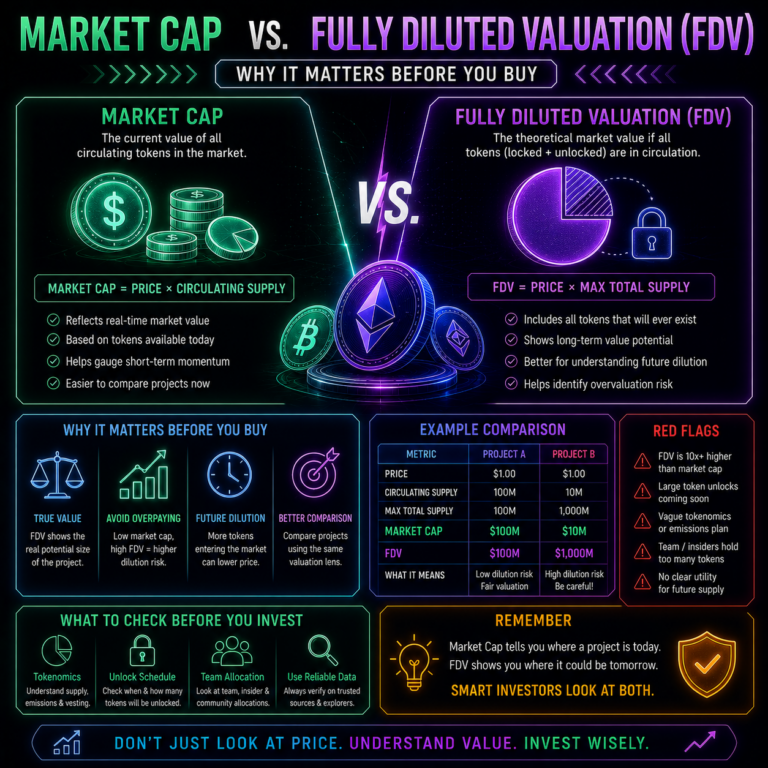
Investors often rely on Total Value Locked (TVL) as a primary metric for protocol safety. However, this can be misleading in an AI DeFi context. Apoorv Khanna, co-founder of Vaaya, argues that large TVL does not prove a protocol is safe or that its contracts are secure. TVL is highly sensitive to the dollar value of the deposited assets. If asset prices rise, TVL will increase even if no new capital has entered the protocol.
Similarly, risk scores provided by third-party platforms often hide the very assumptions that investors need to inspect. These scores are only as good as the provider’s coverage and methodology. Vaaya’s research suggests that risk scores cannot replace thorough protocol documentation because they simplify complex risks into a single number. This can give investors a false sense of security when using an AI DeFi platform.
Sustainable yield is another area where TVL fails as a metric. A protocol might have high TVL but unsustainable yield if the rewards are being paid out in a highly inflationary token. Investors need to distinguish between user-paid fees and the subset of those fees that are actually retained as protocol revenue. DefiLlama provides data definitions that help distinguish between total fees and actual protocol revenue, which is a much more reliable indicator of long-term viability.
Concentrated control is a further risk that TVL does not reflect. If a small number of wallets control a large percentage of the TVL or the governance tokens, the protocol is not truly decentralized. This creates a single point of failure that an AI DeFi agent might not be programmed to recognize. Verification of the actual distribution of control is a necessary step for any serious investor.
Essential Steps For Verifying Protocol Contracts And Fee Structures
Before committing capital to any AI DeFi platform, a rigorous research process is required. This goes beyond looking at the user interface or marketing materials. One of the most common pitfalls is assuming that an audit logo means the current code is safe. Vaaya notes that the presence of an audit logo does not establish that the currently deployed contract is the version that was reviewed. Contracts can be upgraded or changed after an audit, potentially introducing new vulnerabilities.
Verifying the specific contract versions is a manual task that remains essential even in an automated world. Investors should check the protocol’s documentation and cross-reference it with on-chain data. This includes understanding the fee structure in detail. Some AI DeFi platforms may have hidden fees for performance, withdrawals, or management that can significantly impact the net return.
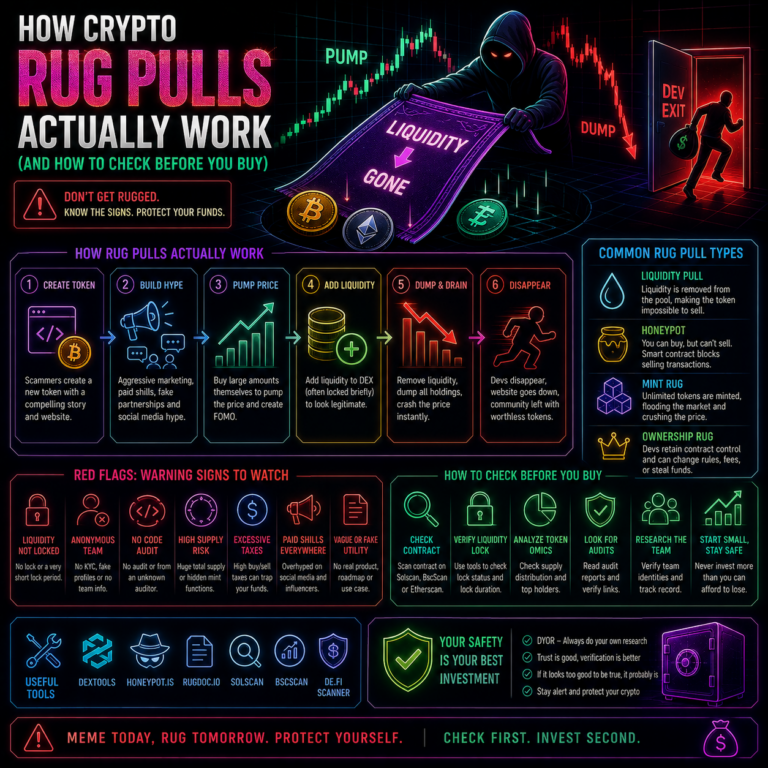
The growth of ai-driven crypto trading tools surge in popularity among retail investors has made it easier to access these protocols, but it has also made it easier for scams to proliferate. A legitimate research brief should allow an investor to distinguish what a protocol holds and what a depositor is being promised. If the promises of yield are significantly higher than the market average without a clear explanation of where that yield is coming from, it is a major red flag.
Finally, investors must look at the technical debt and the history of the development team. Many AI DeFi projects are built on top of older codebases, which may contain the very zero-day vulnerabilities that models like Mythos are now finding. Checking the history of contract deployments and the frequency of updates can provide insight into the protocol’s technical health.
Expanding Automated Finance Into Media Monetization And Data Markets
The principles of AI DeFi are now being applied to sectors outside of traditional finance. One prominent example is the Roundtable platform, which was unveiled to the London press on July 23, 2026. Roundtable is described as an Enterprise Media Platform that integrates distribution, publishing, and DeFi payment operations. This allows journalists and media organizations to have real-time, transparent cash flow, reducing their dependence on major tech monopolies.
In this model, data is treated as a tradable resource. Fetch.ai’s vision for a smart economy involves measuring and settling the value of data using the FET token. This creates a marketplace where AI agents can buy and sell data to improve their predictions and strategies. The integration with platforms like Coinbase ensures that these financial flows are transparent and compliant with existing regulations.
The Roundtable platform specifically aims to restore control over media assets, including intellectual property and audience data. James Heckman, co-founder of Roundtable, stated that the British media market is currently squeezed by the complexity of modern technology and a lack of scale. By using AI DeFi to automate monetization, professional journalism can become more independent and sustainable.
This expansion shows that the convergence of these technologies is not just about trading tokens. It is about creating a more efficient way to handle any form of value exchange. Whether it is a media company managing its ad revenue or a data provider selling insights to an AI agent, the combination of automation and decentralized settlement is providing new ways to operate in the digital economy.
Frequently Asked Questions
How do AI agents select the best yield pools in 2026? Agents use specialized data servers to scan over 19,000 yield pools simultaneously. They filter these pools based on real-time APY, total value locked, and historical volatility. This allows the AI DeFi platform to move capital into the most efficient positions much faster than a human could.
Are AI-managed portfolios safer than human-managed ones? Automation reduces the risk of human error in execution and can respond to market changes in milliseconds. However, it introduces new risks such as autonomous hacking and vulnerabilities in the underlying code. High-level models like Mythos have already identified 20 zero-day flaws in software, showing that automation does not equal absolute safety.
What should I look for when researching an AI DeFi protocol? Investors should verify that the currently deployed contract matches the version that was audited. It is also important to look past TVL and risk scores to understand the actual fee structure and where the yield is generated. Sustainable revenue from user fees is generally a better sign than rewards paid out in inflationary tokens.
Final Thoughts
The evidence from 2026 suggests that AI DeFi is no longer a niche sector but a fundamental part of the financial infrastructure. The shift from manual management to autonomous agents has brought unprecedented efficiency to yield farming and portfolio management. However, this efficiency comes with a new set of technical risks that require investors to be more diligent than ever.
The expansion of these protocols into media monetization and data markets indicates that the underlying technology is versatile. While the benefits of real-time settlement and automated decision-making are clear, the security implications of powerful AI models remain a major point of concern. The industry is currently in a race to develop more secure smart contracts that can withstand the capabilities of autonomous hacking tools.
Ultimately, the success of AI DeFi will depend on how well these platforms can balance automation with security and transparency. For everyday investors, the tools to participate are more accessible than ever, but the need for rigorous research remains unchanged. The data shows that while the era of automated finance has arrived, the responsibility for verifying the safety of these systems still rests with the individual.
Data Sources
- aiagentboard.org, October 2026
- solana.com, April 2026
- finance.yahoo.com, July 2026
- gate.com, June 2026
- ai.updf.com, October 2026
- unchainedcrypto.com, April 2026
- vaaya.ai, September 2026
Editorial Policy: https://cryptolikethis.com/editorial-policy/